Event Report - Japanese Cuisine: Tradition, Nature and Seasonality (10 November)
2026/11/13
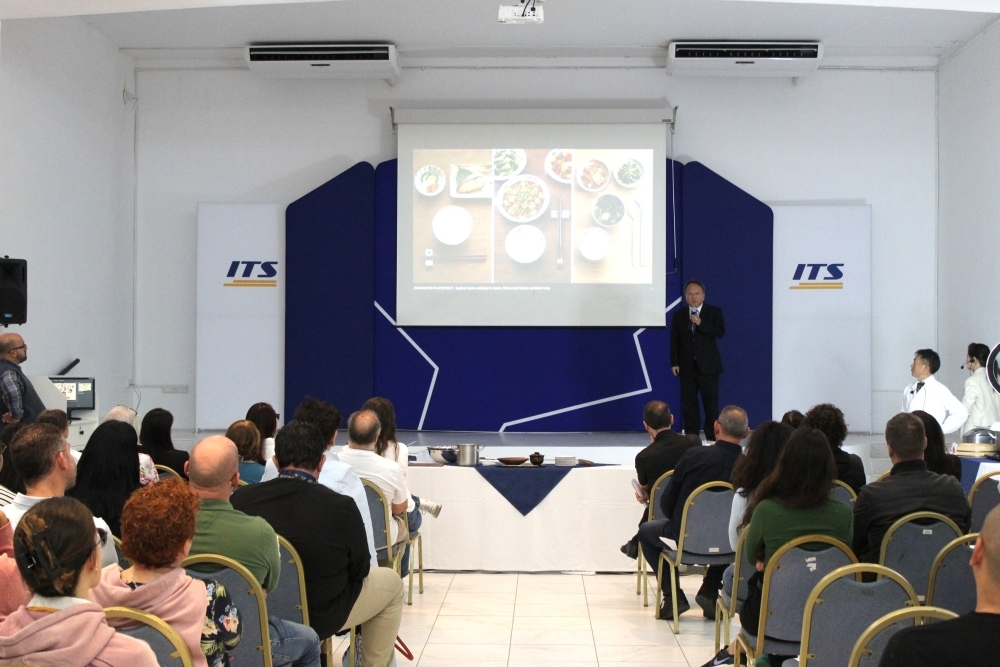
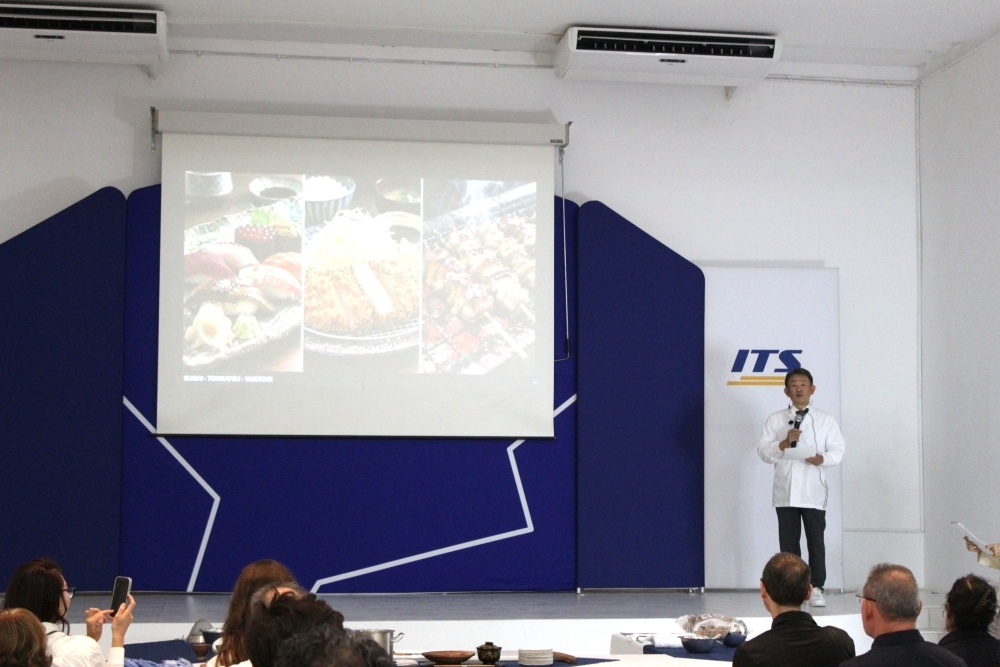
On 10th November, the Embassy organised a lecture and demonstration on Washoku (Japanese cuisine) at the Institute of Tourism Studies (ITS). The event featured Chef FUJIWARA Noriaki of Motoya United, a Michelin-starred chef from Okayama Prefecture, and was attended by students, lecturers, and affiliates of the Institute.
At the outset, Mr. Ryuichiro Kobayashi, Chargé d'Affaires ad interim, introduced Okayama Prefecture, where Chef Fujiwara is based, along with the rich culinary culture of the Seto Inland Sea region, which is often referred to as the “Mediterranean of Japan”, and the Bizen ware (Bizen-yaki) pottery used to serve the dishes.
In the subsequent lecture, Chef Fujiwara explained that Washoku is a culinary culture that reflects Japan’s nature, four seasons, traditions, ingredients, cooking techniques, and aesthetic sensibilities. He emphasised that its essence lies in expressing gratitude for the blessings of nature, bringing out the natural flavors of seasonal ingredients, and representing the beauty of the four seasons through the dishes.
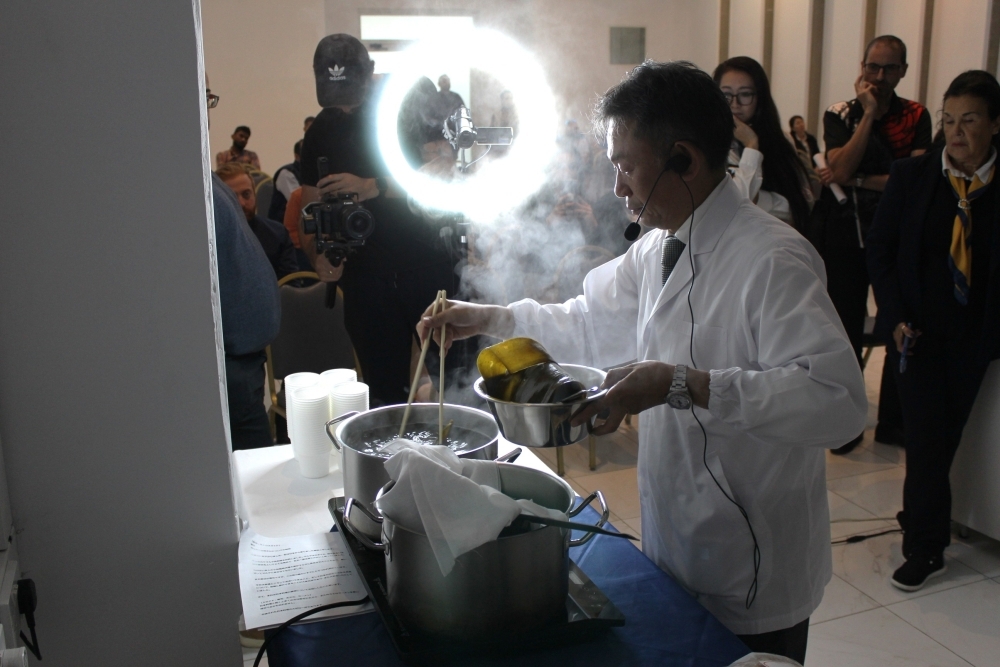
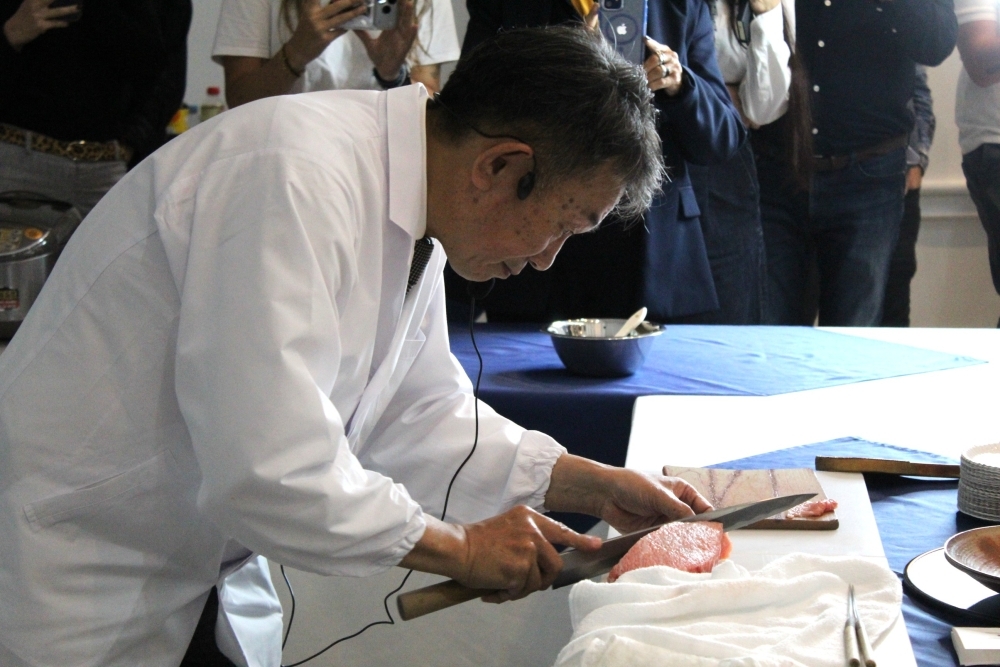
During the demonstration in the second half, Chef Fujiwara showcased delicate techniques, including the art of preparing dashi (soup stock) and kakushi-bocho (hidden knife cuts) utilised in preparing nigiri-zushi with Maltese bluefin tuna. The participants eagerly observed his traditional craftsmanship.
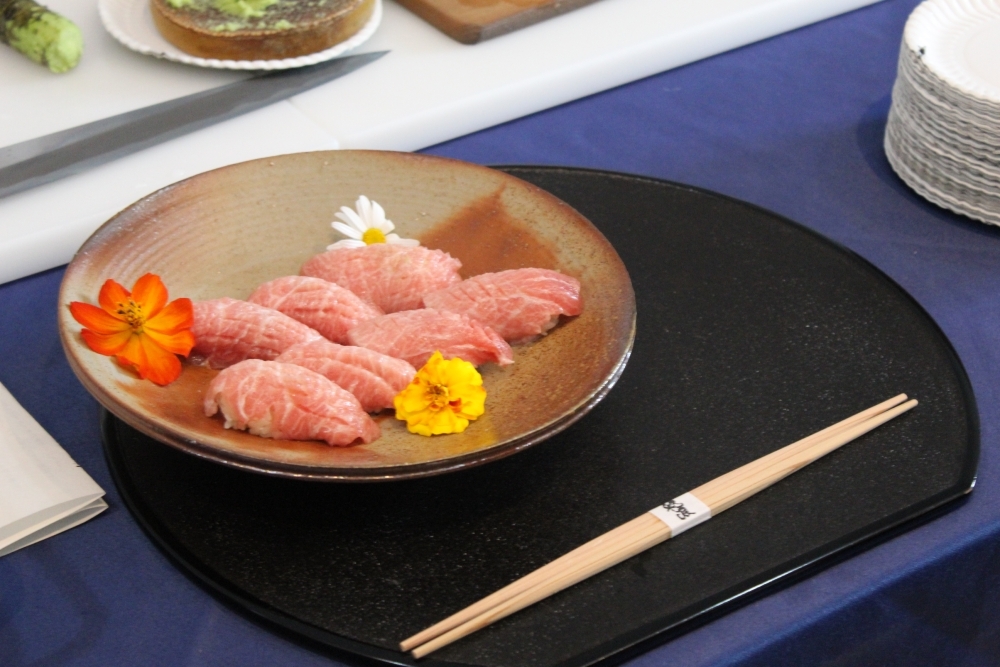
At the conclusion of the event, tamago-no-sumashijiru (clear egg soup made with dashi) and tuna nigiri-zushi were served, allowing the participants to thoroughly enjoy the delicate and profound flavors of Washoku.